
We may earn money or products from the companies mentioned in this post.

Introduction
You love watching your teen light up on the field, ice, or stage but lately, something feels off. They’re tired. You’re tired. And you’re starting to wonder: are we doing too much?
If that thought has crossed your mind, you’re not alone. As a national figure skating coach and mom of three elite athletes, I’ve seen both the magic of youth sports and the mental and physical toll it can take. Teen athlete burnout is real but it doesn’t have to be inevitable.
In this post, I’ll walk you through how to support your teen in sports while protecting their joy, their body, and their mental wellness. From goal setting to rest days to letting go of perfectionism, this guide is here to help you thrive as a sports parent without burning out either of you.
What You Might Need
- Goal-setting journal for athletes
- Gratitude and mindset tracker
- Ice packs or red light recovery tools
- Nutrient-rich hydration packets
- A few colorful pens to make journaling fun
- A Dry Erase Calendar for the Wall
Understanding Teen Athlete Burnout
Let’s start with a hard truth: burnout isn’t always easy to spot especially when you’re deep in the day to day grind of youth sports.
Teen athlete burnout happens when the emotional, mental, and physical load of competitive sports becomes too heavy. It doesn’t always show up as “I want to quit.” Sometimes it’s subtle: fatigue that never goes away, a sudden change in mood, or a once-passionate athlete who’s just going through the motions.
As parents, it’s easy to get caught in the unspoken competition with other families. But here’s the reality—just because other kids are training five days a week doesn’t mean yours has to. Youth sports don’t have to be that stressful.
Some of the greatest athletes in the world were raised by normal parents who simply supported their child, cheered from the sidelines, and parented with love, not pressure.
✨ Let this be your reminder: You can support your teen in sports without trying to control every aspect of their journey. And they’ll be better off for it.
A Coach’s Perspective: Love the Game, But Lead with Awareness
Let me be honest~I love sports.
I love the discipline, the life lessons, the sense of belonging, and the way sports build high-functioning adults who can handle real-world pressure. As a coach and mom, I’ve seen firsthand how commitment, consistency, and finishing what you start can shape a teen’s future.
But I’ve also seen the dark side when a child’s identity becomes too wrapped up in their performance. When parents push harder than the athlete. When burnout steals the joy.
There is real value in grit, but there’s also wisdom in listening and observing. As a parent, part of supporting your teen in sports is knowing when to push and when to pause. This isn’t about raising perfect athletes. It’s about raising healthy, happy, resilient young adults.
What Burnout Looks Like in Teen Athletes
Burnout doesn’t happen overnight—it builds up quietly. If you’re parenting teen athletes, here are key signs to watch for:
- Lack of motivation or joy – If your child dreads going to practice, it’s time to check in. A change in goals or a short break might be needed.
- Increased injuries or chronic pain – Overuse injuries are common, especially when recovery is rushed. My daughter has had multiple surgeries I believe could’ve been prevented with more rest.
- Mood swings or anxiety – Car rides are golden for connection. If your teen seems emotionally drained or snappy after every practice, don’t ignore it.
- Drop in school performance or sleep – Falling behind in school or being constantly exhausted are classic red flags for teen athlete burnout.
- Wanting to quit without a clear reason – This doesn’t mean your athlete is weak—it means they need your help processing. Support them in finding clarity, not just solutions.
🧠 Picture this: You’re driving home after practice, and your teen finally says, “I don’t know why, but I just don’t love it anymore.” That moment deserves your full attention—no fixing, just listening.
Why Burnout Happens—and How to Prevent It
When parenting teen athletes, it’s easy to fall into the trap of more is more. But when performance becomes the only focus, burnout follows.
Here’s why burnout happens:
- Overscheduling – Teens need downtime. Even high achievers.
- Pressure to perform – From coaches, social media, and sometimes… us.
- One-dimensional identity – Your teen is more than a sport. Remind them of that.
- Parental over-involvement – Support is good. Controlling everything? Not so much.
🎯 Your action step: Have a monthly checkin where your teen ranks their stress, sleep, joy, and motivation on a 1–10 scale. It opens the door for honest communication without judgment.
Goal-Setting: The Foundation of a Balanced Athlete
One of the most powerful tools to support your teen in sports is helping them set intentional, realistic goals.
As a coach, I’ve always required goal-setting meetings at least once per year. These included the athlete, their parents, and the coaching team. We discussed goals, expectations, and responsibilities on all sides.
Here’s how to start:
- Ask your athlete to write 3 short term and 2 long term goals
- Discuss what they’re excited about not just what needs “improvement”
- Be clear about what commitment really looks like for the level they want to compete.

💡 Quick story: When my son didn’t make the AAA hockey team, I didn’t sugarcoat it. I said, “You can’t just be as good as the competition. You have to be so good they can’t pass you up.” He set a 365 day countdown, trained with purpose, and the next year? He crushed tryouts. His words? “It was easy. I was ready.”
That’s confidence. That’s growth.
Journaling: A Simple Practice with Big Payoff
My girls love journaling—and so do I.
Journaling helps athletes reflect, recalibrate, and reconnect with their “why.” It’s an incredible tool to reduce teen athlete burnout and support their mental game.
Encourage your teen to write:
- One thing they’re proud of
- One thing they’re working on
- One affirmation like “I am improving every day”
- A few lines of gratitude
🖊️ Pro tip: A beautiful journal and colorful pens make the process feel more personal and fun.
🧠 Picture this: Your teen curled up after practice, reflecting on their day instead of doomscrolling. Just five minutes of writing can unlock a world of calm and clarity.
Let Them Take a Break
This one might surprise you—but one of the best ways to prevent teen athlete burnout is to schedule real, intentional rest.
Vacations, mental health days, and even weekend breaks can help your athlete reset and return stronger. I often remind my daughter, “You play soccer. That’s what you do. It’s not who you are.”
🧠 Picture this: A Saturday with no alarm, no cleats, and no pressure. Just pancakes, pajamas, and peace.
Why I Recommend Trying Another Sport
If your teen feels stuck or unmotivated, a seasonal switch might be exactly what they need.
Encourage them to try another sport in the off-season—any level is fine! It’s not about going all in. It’s about rediscovering joy and movement.
Benefits include:
- Mental refresh
- Cross-training (new muscle groups!)
- Social connection with new peers
- Confidence from trying something new
🧠 Picture this: Your elite soccer player giggling their way through a laid-back basketball game, just playing for fun. No pressure. No politics. Just play.

Teach Them to Speak for Themselves
A major part of raising resilient athletes is helping them communicate directly with coaches respectfully and clearly.
Around middle school and up, many coaches prefer to hear from the athlete rather than the parent. That’s a good thing! Support your teen by:
- Helping them draft a respectful email or text
- Role playing what they want to say
- Reminding them to CC a parent or coach group for safety
🧠 Picture this: Your teen sends a thoughtful message to their coach, asking for feedback or clarification. You’re in the loop—but they’re in the lead.
🛠 Tools I Use with My Athletes to Stay Mentally and Physically Strong
Over the years as a coach, athlete mom, and wellness advocate, I’ve found that having the right tools can make a major difference in managing stress, staying organized, and supporting recovery. Below is a curated list of my favorite Amazon must haves that I regularly use with my coaching clients, my own kids, and even myself. These include goal setting journals to help athletes reflect and stay motivated, large wall calendars and planners to manage practice and school schedules, colorful markers and stickers that actually make planning fun, and recovery tools like red light therapy devices, leg massagers, reusable ice packs, and our family favorite—the massage gun that travels to every tournament. These aren’t just products, they’re part of a mindset and routine that keeps athletes focused, confident, and thriving.
Conclusion: It’s Not About Being Perfect
Here’s what I want you to remember: Your child’s worth isn’t tied to wins. And neither is your parenting.
Too often, we start taking pride in their accomplishments as if they reflect on us. That’s not the goal. Your job is to facilitate a safe, loving environment. Let the coaches coach. Let your kid play.
And when things don’t go their way? Lean into the growth mindset. Let your child feel their feelings. Then help them reset and rise again.
Repeat after me:
You don’t have to be a perfect sports parent—you just have to be present and aware.
Athlete Essentials I Recommend
-
Red Light Therapy, Red Light Therapy for Knee and Elbow Joint, Wireless Rechargeable Design, Larger Battery Capacity, for Elderly & Athletes
-
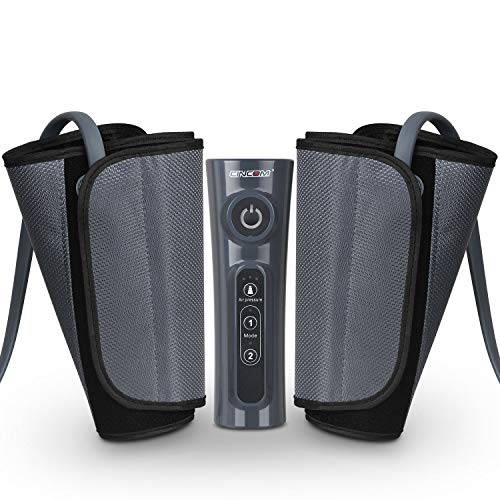
CINCOM Leg Massager for Circulation and Pain Relief, Air Compression Calf Massager with 2 Modes 3 Intensities Helpful for RLS Edema and Muscles Relaxation Gifts – FSA HSA Eligible
-
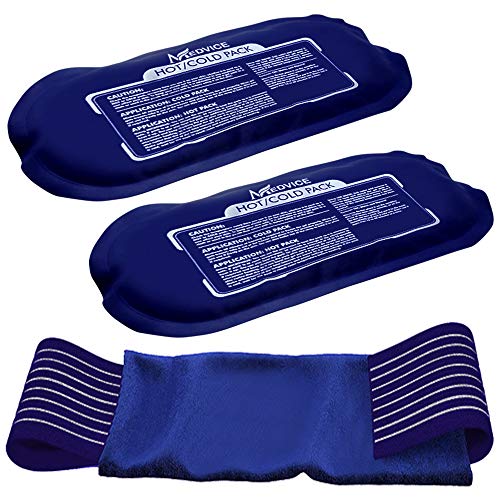
Reusable Hot and Cold Ice Packs for Injuries (3-Piece Set), Joint Pain, Muscle Soreness and Body Inflammation – Reusable Gel Wraps – Adjustable & Flexible for Knees, Back, Shoulders, Arms and Legs
-
Mini Massage Gun, Powerful Fascial Gun Portable Deep Tissue Percussion Muscle Back Head Massager for Pain Relief with 4 Massage Heads High-Intensity Vibration Rechargeable Small Massage Gun
-
Boxclever Press Goal Planner Luxury Undated Weekly Planner to Increase Productivity & Achieve your Goals. Weekly, Monthly, Quarterly Undated Planner with Vision Boards & Habit Trackers. 8.5 x …
-
Dry Erase Calendar Whiteboard for Wall – 17×13 Inch Magnetic Whiteboard, Reusable Monthly Planner Board for Home Office, Classroom, Teachers & Students (White)
-
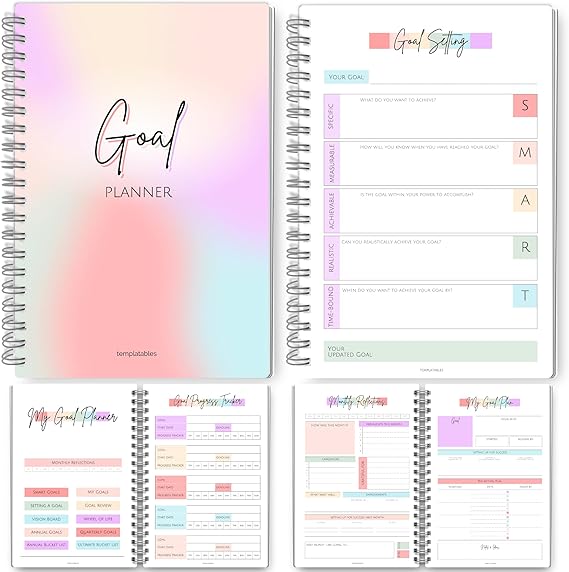
Goal Planner | SMART Goal Setting Kit for the New You, Monthly Habits, Reflections & Vision Boards | Pastel Rainbow A5
-
Paper Mate Flair Felt Tip Pens | Medium Point 0.7 Millimeter Marker Pens | School Supplies for Teachers & Students | Assorted Colors 12 Count
-
The Behavior Shift Brain Shift Journal: Habits and Goals | Guided Journal to Change Habits, Achieve Goals, Improve Productivity | 13-Week Undated Planner and Behavior Change Tool
-
LABUK Hardcover Spiral Notebook for Women, A5 Lined Pink Journaling Notebooks for Work, 5.5 x 8in 160Pages Spiral Journal for Writing






Introduction
You love watching your teen light up on the field, ice, or stage but lately, something feels off. They’re tired. You’re tired. And you’re starting to wonder: are we doing too much?
If that thought has crossed your mind, you’re not alone. As a national figure skating coach and mom of three elite athletes, I’ve seen both the magic of youth sports and the mental and physical toll it can take. Teen athlete burnout is real but it doesn’t have to be inevitable.
In this post, I’ll walk you through how to support your teen in sports while protecting their joy, their body, and their mental wellness. From goal setting to rest days to letting go of perfectionism, this guide is here to help you thrive as a sports parent without burning out either of you.
What You Might Need
- Goal-setting journal for athletes
- Gratitude and mindset tracker
- Ice packs or red light recovery tools
- Nutrient-rich hydration packets
- A few colorful pens to make journaling fun
- A Dry Erase Calendar for the Wall
Understanding Teen Athlete Burnout
Let’s start with a hard truth: burnout isn’t always easy to spot especially when you’re deep in the day to day grind of youth sports.
Teen athlete burnout happens when the emotional, mental, and physical load of competitive sports becomes too heavy. It doesn’t always show up as “I want to quit.” Sometimes it’s subtle: fatigue that never goes away, a sudden change in mood, or a once-passionate athlete who’s just going through the motions.
As parents, it’s easy to get caught in the unspoken competition with other families. But here’s the reality—just because other kids are training five days a week doesn’t mean yours has to. Youth sports don’t have to be that stressful.
Some of the greatest athletes in the world were raised by normal parents who simply supported their child, cheered from the sidelines, and parented with love, not pressure.
✨ Let this be your reminder: You can support your teen in sports without trying to control every aspect of their journey. And they’ll be better off for it.
A Coach’s Perspective: Love the Game, But Lead with Awareness
Let me be honest~I love sports.
I love the discipline, the life lessons, the sense of belonging, and the way sports build high-functioning adults who can handle real-world pressure. As a coach and mom, I’ve seen firsthand how commitment, consistency, and finishing what you start can shape a teen’s future.
But I’ve also seen the dark side when a child’s identity becomes too wrapped up in their performance. When parents push harder than the athlete. When burnout steals the joy.
There is real value in grit, but there’s also wisdom in listening and observing. As a parent, part of supporting your teen in sports is knowing when to push and when to pause. This isn’t about raising perfect athletes. It’s about raising healthy, happy, resilient young adults.
What Burnout Looks Like in Teen Athletes
Burnout doesn’t happen overnight—it builds up quietly. If you’re parenting teen athletes, here are key signs to watch for:
- Lack of motivation or joy – If your child dreads going to practice, it’s time to check in. A change in goals or a short break might be needed.
- Increased injuries or chronic pain – Overuse injuries are common, especially when recovery is rushed. My daughter has had multiple surgeries I believe could’ve been prevented with more rest.
- Mood swings or anxiety – Car rides are golden for connection. If your teen seems emotionally drained or snappy after every practice, don’t ignore it.
- Drop in school performance or sleep – Falling behind in school or being constantly exhausted are classic red flags for teen athlete burnout.
- Wanting to quit without a clear reason – This doesn’t mean your athlete is weak—it means they need your help processing. Support them in finding clarity, not just solutions.
🧠 Picture this: You’re driving home after practice, and your teen finally says, “I don’t know why, but I just don’t love it anymore.” That moment deserves your full attention—no fixing, just listening.
Why Burnout Happens—and How to Prevent It
When parenting teen athletes, it’s easy to fall into the trap of more is more. But when performance becomes the only focus, burnout follows.
Here’s why burnout happens:
- Overscheduling – Teens need downtime. Even high achievers.
- Pressure to perform – From coaches, social media, and sometimes… us.
- One-dimensional identity – Your teen is more than a sport. Remind them of that.
- Parental over-involvement – Support is good. Controlling everything? Not so much.
🎯 Your action step: Have a monthly checkin where your teen ranks their stress, sleep, joy, and motivation on a 1–10 scale. It opens the door for honest communication without judgment.
Goal-Setting: The Foundation of a Balanced Athlete
One of the most powerful tools to support your teen in sports is helping them set intentional, realistic goals.
As a coach, I’ve always required goal-setting meetings at least once per year. These included the athlete, their parents, and the coaching team. We discussed goals, expectations, and responsibilities on all sides.
Here’s how to start:
- Ask your athlete to write 3 short term and 2 long term goals
- Discuss what they’re excited about not just what needs “improvement”
- Be clear about what commitment really looks like for the level they want to compete.
💡 Quick story: When my son didn’t make the AAA hockey team, I didn’t sugarcoat it. I said, “You can’t just be as good as the competition. You have to be so good they can’t pass you up.” He set a 365 day countdown, trained with purpose, and the next year? He crushed tryouts. His words? “It was easy. I was ready.”
That’s confidence. That’s growth.
Journaling: A Simple Practice with Big Payoff
My girls love journaling—and so do I.
Journaling helps athletes reflect, recalibrate, and reconnect with their “why.” It’s an incredible tool to reduce teen athlete burnout and support their mental game.
Encourage your teen to write:
- One thing they’re proud of
- One thing they’re working on
- One affirmation like “I am improving every day”
- A few lines of gratitude
🖊️ Pro tip: A beautiful journal and colorful pens make the process feel more personal and fun.
🧠 Picture this: Your teen curled up after practice, reflecting on their day instead of doomscrolling. Just five minutes of writing can unlock a world of calm and clarity.
Let Them Take a Break
This one might surprise you—but one of the best ways to prevent teen athlete burnout is to schedule real, intentional rest.
Vacations, mental health days, and even weekend breaks can help your athlete reset and return stronger. I often remind my daughter, “You play soccer. That’s what you do. It’s not who you are.”
🧠 Picture this: A Saturday with no alarm, no cleats, and no pressure. Just pancakes, pajamas, and peace.
Why I Recommend Trying Another Sport
If your teen feels stuck or unmotivated, a seasonal switch might be exactly what they need.
Encourage them to try another sport in the off-season—any level is fine! It’s not about going all in. It’s about rediscovering joy and movement.
Benefits include:
- Mental refresh
- Cross-training (new muscle groups!)
- Social connection with new peers
- Confidence from trying something new
🧠 Picture this: Your elite soccer player giggling their way through a laid-back basketball game, just playing for fun. No pressure. No politics. Just play.
Teach Them to Speak for Themselves
A major part of raising resilient athletes is helping them communicate directly with coaches respectfully and clearly.
Around middle school and up, many coaches prefer to hear from the athlete rather than the parent. That’s a good thing! Support your teen by:
- Helping them draft a respectful email or text
- Role playing what they want to say
- Reminding them to CC a parent or coach group for safety
🧠 Picture this: Your teen sends a thoughtful message to their coach, asking for feedback or clarification. You’re in the loop—but they’re in the lead.
🛠 Tools I Use with My Athletes to Stay Mentally and Physically Strong
Over the years as a coach, athlete mom, and wellness advocate, I’ve found that having the right tools can make a major difference in managing stress, staying organized, and supporting recovery. Below is a curated list of my favorite Amazon must haves that I regularly use with my coaching clients, my own kids, and even myself. These include goal setting journals to help athletes reflect and stay motivated, large wall calendars and planners to manage practice and school schedules, colorful markers and stickers that actually make planning fun, and recovery tools like red light therapy devices, leg massagers, reusable ice packs, and our family favorite—the massage gun that travels to every tournament. These aren’t just products, they’re part of a mindset and routine that keeps athletes focused, confident, and thriving.
Conclusion: It’s Not About Being Perfect
Here’s what I want you to remember: Your child’s worth isn’t tied to wins. And neither is your parenting.
Too often, we start taking pride in their accomplishments as if they reflect on us. That’s not the goal. Your job is to facilitate a safe, loving environment. Let the coaches coach. Let your kid play.
And when things don’t go their way? Lean into the growth mindset. Let your child feel their feelings. Then help them reset and rise again.
Repeat after me:
You don’t have to be a perfect sports parent—you just have to be present and aware.
Athlete Essentials I Recommend
-
Red Light Therapy, Red Light Therapy for Knee and Elbow Joint, Wireless Rechargeable Design, Larger Battery Capacity, for Elderly & Athletes
-
CINCOM Leg Massager for Circulation and Pain Relief, Air Compression Calf Massager with 2 Modes 3 Intensities Helpful for RLS Edema and Muscles Relaxation Gifts – FSA HSA Eligible
-
Reusable Hot and Cold Ice Packs for Injuries (3-Piece Set), Joint Pain, Muscle Soreness and Body Inflammation – Reusable Gel Wraps – Adjustable & Flexible for Knees, Back, Shoulders, Arms and Legs
-
Mini Massage Gun, Powerful Fascial Gun Portable Deep Tissue Percussion Muscle Back Head Massager for Pain Relief with 4 Massage Heads High-Intensity Vibration Rechargeable Small Massage Gun
-
Boxclever Press Goal Planner Luxury Undated Weekly Planner to Increase Productivity & Achieve your Goals. Weekly, Monthly, Quarterly Undated Planner with Vision Boards & Habit Trackers. 8.5 x …
-
Dry Erase Calendar Whiteboard for Wall – 17×13 Inch Magnetic Whiteboard, Reusable Monthly Planner Board for Home Office, Classroom, Teachers & Students (White)
-
Goal Planner | SMART Goal Setting Kit for the New You, Monthly Habits, Reflections & Vision Boards | Pastel Rainbow A5
-
Paper Mate Flair Felt Tip Pens | Medium Point 0.7 Millimeter Marker Pens | School Supplies for Teachers & Students | Assorted Colors 12 Count
-
The Behavior Shift Brain Shift Journal: Habits and Goals | Guided Journal to Change Habits, Achieve Goals, Improve Productivity | 13-Week Undated Planner and Behavior Change Tool
-
LABUK Hardcover Spiral Notebook for Women, A5 Lined Pink Journaling Notebooks for Work, 5.5 x 8in 160Pages Spiral Journal for Writing
-
Red Light Therapy, Red Light Therapy for Knee and Elbow Joint, Wireless Rechargeable Design, Larger Battery Capacity, for Elderly & Athletes
-
CINCOM Leg Massager for Circulation and Pain Relief, Air Compression Calf Massager with 2 Modes 3 Intensities Helpful for RLS Edema and Muscles Relaxation Gifts - FSA HSA Eligible
-
Reusable Hot and Cold Ice Packs for Injuries (3-Piece Set), Joint Pain, Muscle Soreness and Body Inflammation - Reusable Gel Wraps - Adjustable & Flexible for Knees, Back, Shoulders, Arms and Legs
-
Mini Massage Gun, Powerful Fascial Gun Portable Deep Tissue Percussion Muscle Back Head Massager for Pain Relief with 4 Massage Heads High-Intensity Vibration Rechargeable Small Massage Gun
-
Boxclever Press Goal Planner Luxury Undated Weekly Planner to Increase Productivity & Achieve your Goals. Weekly, Monthly, Quarterly Undated Planner with Vision Boards & Habit Trackers. 8.5 x ...
-
Dry Erase Calendar Whiteboard for Wall - 17x13 Inch Magnetic Whiteboard, Reusable Monthly Planner Board for Home Office, Classroom, Teachers & Students (White)
-
Goal Planner | SMART Goal Setting Kit for the New You, Monthly Habits, Reflections & Vision Boards | Pastel Rainbow A5
-
Paper Mate Flair Felt Tip Pens | Medium Point 0.7 Millimeter Marker Pens | School Supplies for Teachers & Students | Assorted Colors 12 Count
-
The Behavior Shift Brain Shift Journal: Habits and Goals | Guided Journal to Change Habits, Achieve Goals, Improve Productivity | 13-Week Undated Planner and Behavior Change Tool
-
LABUK Hardcover Spiral Notebook for Women, A5 Lined Pink Journaling Notebooks for Work, 5.5 x 8in 160Pages Spiral Journal for Writing