
We may earn money or products from the companies mentioned in this post.
Introduction
The parents’ role in youth sports is a hot-button issue in the billion-dollar youth sports industry in the United States. When a parent doesn’t understand their role or fails to act as a positive support system, the consequences can be harmful—sometimes even leading their child to quit. Nearly 70% of youth athletes quit sports by the age of 13, and the number is even higher for girls. That should concern every parent reading this.
Youth sports aren’t just about competition. They teach grit, perseverance, teamwork, and time management—skills that serve athletes far beyond the field or rink. In fact, many employers prefer candidates with a background in competitive sports due to their work ethic and resilience.
But burnout, miscommunication, financial stress, and the tightrope walk between support and independence can make the journey rocky.
In this post, we’ll explore how parents of teen athletes can support their kids the right way. We’ll cover goal-setting, time management, healthy communication with coaches, and how to avoid burnout.
👉 Don’t forget to check out our companion article on Burnout in Teen Athletes.
Parents’ Goals vs. Athlete’s Goals

Supporting Your Child in Sports Starts with Listening
Supporting your child in sports can feel like a tightrope walk, but here’s the truth: their goals must come first. You can share your hopes, but your teen athlete needs space to shape their own dreams.
As a coach and a parent of elite athletes, I recommend annual goal meetings between the athlete and coach, sometimes with parents present as observers. This ensures that expectations are aligned and realistic. If your child wants to skate three days a week and you’re dreaming of the Olympics, it’s time to reconcile those visions.
“Parental involvement in youth sports is most beneficial when it supports the child’s autonomy and personal goals.” —Frontiers in Psychology
I use SMART goal sheets with my athletes. We define the goal, outline what support they need, and confirm that these objectives are their goals,not mine. Because no amount of effort from you will matter if they’re just going through the motions.
Misaligned intentions lead to tension, resentment, and burnout. Your athlete’s goals may shift over time and that’s normal. Keep the lines of communication open, and stay flexible.
Supporting Your Child in Sports: Accountability vs. Micromanaging
Structure Builds Confidence, Not Control

Supporting your child in sports means giving them structure without controlling every move.
Start with encouragement and boundaries. One non-negotiable: no “car ride of doom.” If a game or practice didn’t go well, let them lead the conversation. You can highlight a win, but don’t push the play-by-play critique. It causes stress and self doubt.
Accountability is still essential. If practice starts at 5:30, they need to be ready by 5:00; gear packed, attitude on point. This balance of structure and support builds confidence and discipline.
Supportive parents:
-
Let athletes fail and learn
-
Don’t make excuses or blame others
-
Reinforce effort over outcomes
Ultimately, a parent’s role in youth sports is to create the framework that supports growth, not perfection.
Time Management: Who's Really in Charge?
Parents as Structure Builders, Teens as Managers
Time management is one of the most valuable skills parents of teen athletes can teach. But here’s the catch, you can’t teach it if you’re doing it all.
Tools I recommend:
Shared Google Calendar
Dry erase schedule board for weekly planning
Pre-packed bags, water, and snacks
When my daughter was younger, I laid out everything—jersey, socks, cleats. But I was enabling her. Once I stepped back, she forgot cleats a few times, learned from it, and became responsible.
Let them take ownership early. Help them plan, but don’t be the planner forever.
“Youth athletes benefit when parents teach organizational skills and promote self-sufficiency.” —Balance is Better
Communicating with Coaches: Step In or Step Back?
The 3-Step Rule for Conflict Resolution
Open and honest communication is essential, but it’s not always the parent’s job to do the talking.
Use this 3-step rule:
Encourage your teen to reflect and self-advocate
Wait 24 hours before reacting
Step in only when truly necessary
Teen athletes should approach coaches directly—via team platforms like Crossbar, TeamSnap, or Remind—with guidance from you. For example, if your child wants more playing time, help them prepare for the conversation with notes and expectations, but let them speak.
While I would love to believe that we all understand this already, it is neglectful not to say: Coaches should never meet privately 1-on-1 with a youth athlete in a non-public space. Any conversation should occur in a public or observable setting. Safety and transparency must come first.
Healthy boundaries help teens build confidence, advocate for themselves, and learn life-long communication skills.
Let the Coach Coach
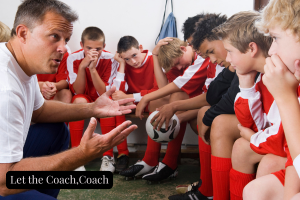
Don’t Be the Voice from the Sideline
Parents of teen athletes: yelling from the sideline or rink can undermine the coach, distract your child, and embarrass them.
As a coach, I’ve had to ask well meaning parents to stop coaching from the glass more times than I can count. It’s rarely done with bad intentions but when parents bark orders, correct technique mid practice, or yell about effort, it confuses the athlete and disrupts the coach’s ability to do their job. Even worse, it damages the trust that should exist between the athlete and their coaching team.
Sideline coaching can:
Contradict technical instructions given by the coach
Embarrass athletes in front of their peers
Create anxiety and performance pressure
Foster resentment between athlete and parent
Most parents don’t have the technical or sport-specific knowledge to give helpful corrections—and even if they do, they shouldn’t. Coaches spend years developing plans tailored to athletes’ needs. Parents jumping in only muddies the water.
Instead, cheer from the stands. Clap when things go well. Smile and wave. Save the critiques for another time or better yet, not at all. Positive reinforcement and emotional support from the stands can make all the difference.
Let the coach coach. Let the parent parent. Respect those lanes, and you’ll be amazed at how your child thrives not just as an athlete, but as a confident, capable human being.
What It Really Takes to Reach the Next Level

The Truth Behind College Sports Dreams
Only 3% of high school athletes play in college, and even fewer receive scholarships. And yet, every season, I hear from skaters and athletes who want to be the next Olympic champion. But when it comes time to do the work—to show up early, to train through tough days, to eat right, to sleep enough—most aren’t ready to commit.
Every year, I send out an email to my figure skating students titled “What It Really Takes to Get to the Next Level.” I do this because I want to be honest. Everyone dreams of making it big, but very few are willing to train like it for a week—never mind 18+ years.
To reach the next level, your teen athlete must:
-
Consistently show up to every practice prepared and focused
-
Follow a strategic plan that includes strength, conditioning, and recovery
-
Prioritize sleep, hydration, and nutrition as seriously as training
-
Develop mental toughness and emotional maturity
“It takes what it takes.” —Trevor Moawad
I ask my skaters and children to read his book. Why? Because the difference between average and elite is never just talent. It’s discipline. It’s being coachable. It’s staying positive when things aren’t going your way.
Parents of teen athletes aiming for college or elite level sport need to help their kids understand the big picture: it’s not about a single tournament or one season. It’s about building habits, showing resilience, and embracing the grind. Consistency over time is the real secret to success.
Help them dream big. But more importantly, help them act big.
Sleep: The Secret Weapon for Athletic Performance
8–10 Hours of Sleep = Peak Performance
Teen athletes who sleep 8–10 hours recover faster, focus better, and manage stress more effectively. Poor sleep is one of the leading causes of burnout and injury.
Benefits of sleep:
- Better recovery and fewer injuries
- Improved decision-making and reaction time
Stronger immune and hormonal balance
“Rest is not lazy. For teen athletes, it’s performance training.”
Make sleep a priority in your teen’s schedule. Overs scheduling can undo months of hard work in a matter of weeks.
Don’t Set Players Up for Failure
Encouragement > Pressure
Parents of teen athletes must balance pushing for excellence with supporting emotional well-being. It’s not just about what you say, it’s about how you show up.
Start by being their biggest cheerleader, not their loudest critic. Celebrate the small wins. Let them know their value isn’t tied to a scoreboard or a scholarship. Your words matter, but your actions? They matter even more.
“Actions are caught, not taught.” —Ed Mylett
Your child is always watching. If they see you journaling, setting health goals, making time for workouts, or pushing toward milestones at work, they’re more likely to mirror that behavior. You are their most powerful role model.
Pushing too hard or comparing them to teammates can backfire. The dreaded post-game van ride filled with criticism or comparisons is the fastest way to break trust and enthusiasm. Instead, offer calm, encouragement, and a safe place to decompress.
And let’s be honest: competing at an elite level is not just your child’s commitment, it’s a family one. Training, travel, gear, and time mean fewer vacations, missed family dinners, and weekend sacrifices. That’s the reality. It’s okay to decide it’s not the right path for your family but if you’re in, everyone has to be all in.
Don’t set your athlete up to fail by placing unrealistic expectations on them without the proper support. Set them up to thrive by walking alongside them, not ahead of them, with love, example, and resilience.
The Financial Side of Raising Teen Athletes
Budgeting for a Healthy Sports Experience
Youth sports are expensive. From private lessons to tournament travel. Whether it’s hockey, cheer, or club soccer, the costs add up quickly. In fact, many parents report spending over $3,000 per year per child, with some elite programs requiring $10,000 or more annually.
Before each season:
-
Create a budget spreadsheet
-
Add tournament travel to your yearly calendar
-
Join hotel and airline rewards programs
Using tools like a monthly financial planner helps you stay ahead of the game and reduce stress. Financial prep is part of supporting your child in sports.
Managing expenses is not just about budgeting; it’s about long term strategy. Here are a few tips:
-
Track gear, registration, and travel costs in one place
-
Set aside monthly savings for unexpected expenses
-
Get clear on your financial boundaries before the season starts
It’s also important to understand that going all in on elite sports is a family level commitment. That means time away from vacations, tight weekends, and reallocated household budgets. These are intentional decisions every family has to weigh together.
For more in depth financial advice, check out this helpful article by Charles Schwab: Are Kids’ Sports Costs Straining Your Budget?
“Youth sports are a $19 billion industry in the U.S.” —Time Magazine
Final Thoughts: Be the Calm in the Chaos
The True Role of Parents in Youth Sports
The parents’ role in youth sports isn’t to guarantee a scholarship or mold a future pro. It’s to create a stable, loving environment that helps their child grow into a confident, resilient, and happy human being.
Encourage their dreams. Respect their pace. Keep the pressure in check. And most of all, be the calm in the chaos. That’s the kind of support teen athletes never forget.

What a great article! While I don’t have children myself yet, I may someday, and this is invaluable advice that any parent can take with them as their teen embarks on their athletic journey.
I really love your approach here! I have littles right now, but I really appreciate the glimpse into potentially my future, so thank you!
Wow! This is really informative. My kids are in elementary, transitioning into middle school, and they are considering sports. I don’t really know where to start, so I’m grateful for this. Thank you!
reat article! This is such valuable advice for parents navigating youth sports. I love the emphasis on letting kids set their own goals rather than projecting our dreams onto them. The “car ride of doom” concept really resonated – it’s so tempting to give feedback right after games, but you’re absolutely right that it just adds pressure. The 3-step communication rule is brilliant too. Thanks for sharing these practical insights on finding that balance between support and independence!
I 100% agree with this! I see many parents on the sidelines clearly trying to live their dreams through their kids and the kids are clearly burned out but don’t want to upset their parents. Everything you have mentioned is what I do with my kids too. They have more fun and make more meaningful connections and growth when they are able to steer their athletic career. Supporting them and encouraging them but allowing them to make the decision to continue or stop playing is powerful.