We may earn money or products from the companies mentioned in this post.
Introduction
Watching your teen pack for college is one of those moments that hits you in the heart. You’re proud, nervous, and maybe wondering—did I teach them everything they need to know? The truth is, school prepares them for tests, but life skills are what set them up for success in the real world.
This guide covers the most important life skills for college students to know before they leave home—from budgeting and cooking to sleep hygiene, studying, and car maintenance. Let’s help them launch with confidence.
P.S. If you're still prepping for move-in day, don’t miss my Dorm Room Essentials on a Budget guide—packed with tips and Amazon finds moms love!
Here’s a preview of the 14 essential life skills your student should know:
Social Awareness & Communication
Laundry Fundamentals
Cooking Basic Dorm-Friendly Meals
Budgeting and Paying Bills
Time Management
How to Make Appointments
Sleep Management
Dishes & Daily Cleanup
Ironing & Wrinkle Prevention
Basic Car Maintenance
How to Say No and Set Boundaries
Manners Still Matter
How to Calculate a Tip
Study Skills That Actually Work
1. Social Awareness & Communication
Living with others for the first time requires more than common sense—it demands emotional intelligence. Your teen will be sharing space, navigating group projects, and managing conflicts with people from different backgrounds and habits. This is where social awareness matters.
Teach them to:
- Listen more than they talk
- Notice nonverbal cues like tone and body language
- Express themselves with clarity and respect
- Apologize sincerely when they mess up
Role play scenarios at home before they leave: what to say when a roommate crosses a boundary, how to ask a professor for help, how to express frustration calmly.
2. Laundry Fundamentals
Laundry might seem basic, but for many teens, it’s brand new. Teach them the difference between a quick wash and a disaster:
- Always sort by color and fabric type
- Use the right water temperature to protect clothes:
- Hot: Towels, bedding, whites (helps kill germs and clean deeper)
- Warm: Light colors and everyday clothes
- Cold: Darks, delicates, activewear (preserves color and elasticity)
- Hot: Towels, bedding, whites (helps kill germs and clean deeper)
- Know what can and can’t go in the dryer (goodbye, shrunken sweaters!)
- Use a lingerie bag for delicates like bras, underwear, and lace
- Use a separate mesh bag for socks to avoid losing them in the wash
Also show them how to fold and hang clothes so they don’t just live out of a laundry basket. And yes—explain what to do when the washer eats a sock or leaks.
Must-Have Tools:
3. Cook 5 Dorm Friendly Meals
Knowing how to cook is empowering and practical. Even in a dorm, your teen can eat better (and cheaper) than takeout every night.
Start with these dorm friendly go to:
- Scrambled eggs or omelet in a microwave mug
- Quesadilla with shredded cheese and canned beans
- Rice bowl with veggies and rotisserie chicken
- Oatmeal with nut butter and fruit
- Pasta salad with canned tuna or chickpeas
Give them a mini rice cooker or sandwich press, and let them practice over the summer.
Dorm Kitchen Essentials:
Microwave-safe bowl set, mini fridge bins, dish drying mat
Want to make sure your teen’s dorm is functional, organized, and stylish too? Check out Dorm Room Essentials and Checklist on A Budget for mom-approved inspiration!
4. Budgeting and Paying Bills
College kids don’t need complex financial plans, but they do need to understand the basics:
- Set up a simple monthly budget (with real numbers!)
- Understand due dates and late fees
- Learn to check balances before swiping
- Know how to avoid overdrafts or credit card debt
Caution them against the trap of store credit cards and interest rates. Introduce budgeting apps or give them a paper planner to track money visually.
Use These Tools:
College Budget Planner and Vision Board Journal: Navy Blue/Yellow Cover, Black and White Interior, Simplified and Detailed Budget Planners, Financial ... One Year Use Notebook, Undated, Start Anytime
If you're a college student ready to get your finances in order and plan your future, this College Budget Planner and Vision Board Journal is made for you. It includes easy to use budget trackers, savings plans, and vision board space to help you manage money, stay motivated, and set big goals.
5. Time Management
College success hinges on time management. Without a set high school schedule, it’s easy for students to fall behind and playing catch up is never fun.
Help your teen:
- Use tech tools like Google Calendar, apps with reminders, and alarms
- Also use old school methods like a written planner, sticky notes, or a whiteboard on their dorm wall
- Block out time for class, study, meals, workouts, sleep, mental health breaks, and their job (if they have one)
- Check out this book on Time Management and Executive Functioning Skills
Time management isn’t just about studying. It’s about learning how to structure a day that supports their academic goals, physical health, emotional well being, and social life.
And one thing I cannot stress enough: Be on time. Always.
Being late sends a message whether they mean it to or not. It can come across as disrespectful, especially to professors, supervisors, or anyone giving them their time. I know not everyone agrees, but showing up five minutes early is a small habit that communicates reliability, respect, and personal accountability.
Encourage them to treat time like a bank account: if they spend it all, there’s none left for what really matters.
6. How to Make Appointments
Your teen should be able to make a phone call, leave a voicemail, and schedule appointments with confidence. While this skill can and should be introduced earlier in life, many students head off to college never having made their own hair appointment, let alone a medical one.
Start by encouraging them to:
- Look for options online for simple bookings like haircuts or tutoring sessions
- Call and book a doctor or dentist appointment at home—ideally before they leave for college
- Write down insurance info, know their provider, and save confirmation numbers
One of the best things you can do? Let them practice before it's high stakes. I sent my daughter to the BMV when she was 19, and while the experience was stressful and a bit overwhelming, she learned quickly how to ask questions, advocate for herself, and navigate systems we adults take for granted.
Start small now—so it doesn’t feel so big later.
- Leave a short, professional voicemail
- Show up early and bring necessary paperwork
7. Sleep Management
Sleep deprivation is a silent GPA killer. Teach your teen how to wind down and stay rested despite noise and chaos.
My daughter swore by her blackout sleep mask and noise canceling headphones. She also took a natural nighttime supplement—not melatonin—that helped her stick to a routine. These tools helped her fall asleep and stay consistent even with a roommate on a different schedule.
Other tips:
- Stick to the same bedtime
- Limit phone use before sleep
- Use white noise or calming sleep apps
8. Dishes & Daily Cleanup
Dorm kitchens and mini fridges get gross fast. Teach your teen:
- Rinse dishes immediately (even if it’s just a mug!)
- Use a sponge and real dish soap
- Sanitize surfaces weekly
- Toss old leftovers and clean out the fridge regularly
These habits make them a better roommate and help prevent bugs and odors.
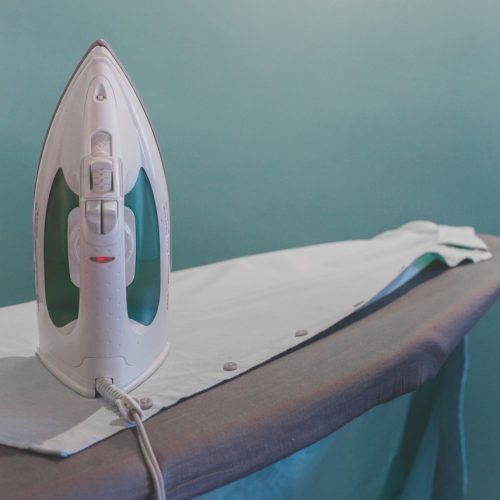
9. Ironing & Wrinkle Prevention
Most teens won’t iron daily but they will need to dress up for an interview, internship, or event.
Show them:
- How to use an iron without ruining clothes
- The magic of wrinkle release spray and mini steamers
- How to hang clothes right out of the dryer
10. Basic Car Maintenance
Even if they don’t drive often, every teen should know:
- How to check tire pressure
- How to change a tire or jumpstart a battery
- What each dashboard light means
- Check out this Car Roadside Emergency Kit
And if you're anything like me and don't feel confident teaching your teen how to do these things, that’s okay! Ask another family member, a trusted friend, or even book a short session with a local mechanic to show them the ropes. There’s no shame in outsourcing when it ensures your teen is better prepared and safer on the road.
Winter Bonus: Ice scraper, snow brush, and emergency blanket (especially if they go to school up north!)
- How to check tire pressure
- How to change a tire or jumpstart a battery
11. How to Say No and Set Boundaries
“No” is a life skill. Teach them to:
- Say no to invitations without guilt
- Set limits with roommates or peers
- Recognize red flags in friendships and relationships
Practice this at home by modeling it. Let them see you say no and hold boundaries with grace.
12. Manners Still Matter
Manners are soft skills that open doors. Encourage your teen to:
- Send thankyou texts or emails
- Hold the door, say please and thank you
- Be courteous in shared spaces
These little moments leave a lasting impression.
13. How to Calculate a Tip
Simple, but essential. Make sure your teen knows:
- 20% is standard for good service
- Round up when in doubt
- Leave a tip even when splitting the bill
Practice on real receipts or walk them through a few restaurant scenarios.
14. Study Skills That Actually Work
Professors aren’t babysitters. Students need strong study habits to succeed without constant reminders.
Time Budget: 2–3 hours of study per credit hour per week. For a 12 credit load, that’s 24–36 hours outside class.
Methods That Work:
- Pomodoro Technique: 25 minutes focus, 5-minute break (Guide)
- Active Recall + Spaced Repetition: Review material in intervals to lock it in long-term (NSCS | College Info Geek)
Encourage them to visit campus tutoring centers, go to office hours, and ask for help early—not after midterms.
Study Tools:
- Flashcards or Quizlet
- Notebooks, highlighters, digital planner
- Headphones and portable chargers
Conclusion
College isn’t just about academics—it’s a crash course in adulting. From laundry and budgets to boundaries and brainpower, these life skills for college students create capable, confident young adults.
Need help with the dorm room setup too? Check out these helpful reads:
You've got this—and so do they.

This is such a helpful list of essential life skills. I wish I had known about it several years ago when my son went off to college. Adulting and making the transition from high school to college can be challenging, but this list makes it a little easier.
I love this post! These are such good tips! Preparing your children properly for adulthood is important. I don’t have have any children of my own right now, but I would love some! My worry is not being able to be a good mother. There is still so much I don’t know about raising children. Plus, my instincts would be to protect them from everything. I wouldn’t want to see them sad or disappointed. I would probably end up spoiling child! The truth is if I want to prepare my future children for adulthood, they will need to hear no sometimes. Sometimes they will be angry, disappointed, or sad. Your post reminded of that. Thankyou for sharing these tips!